
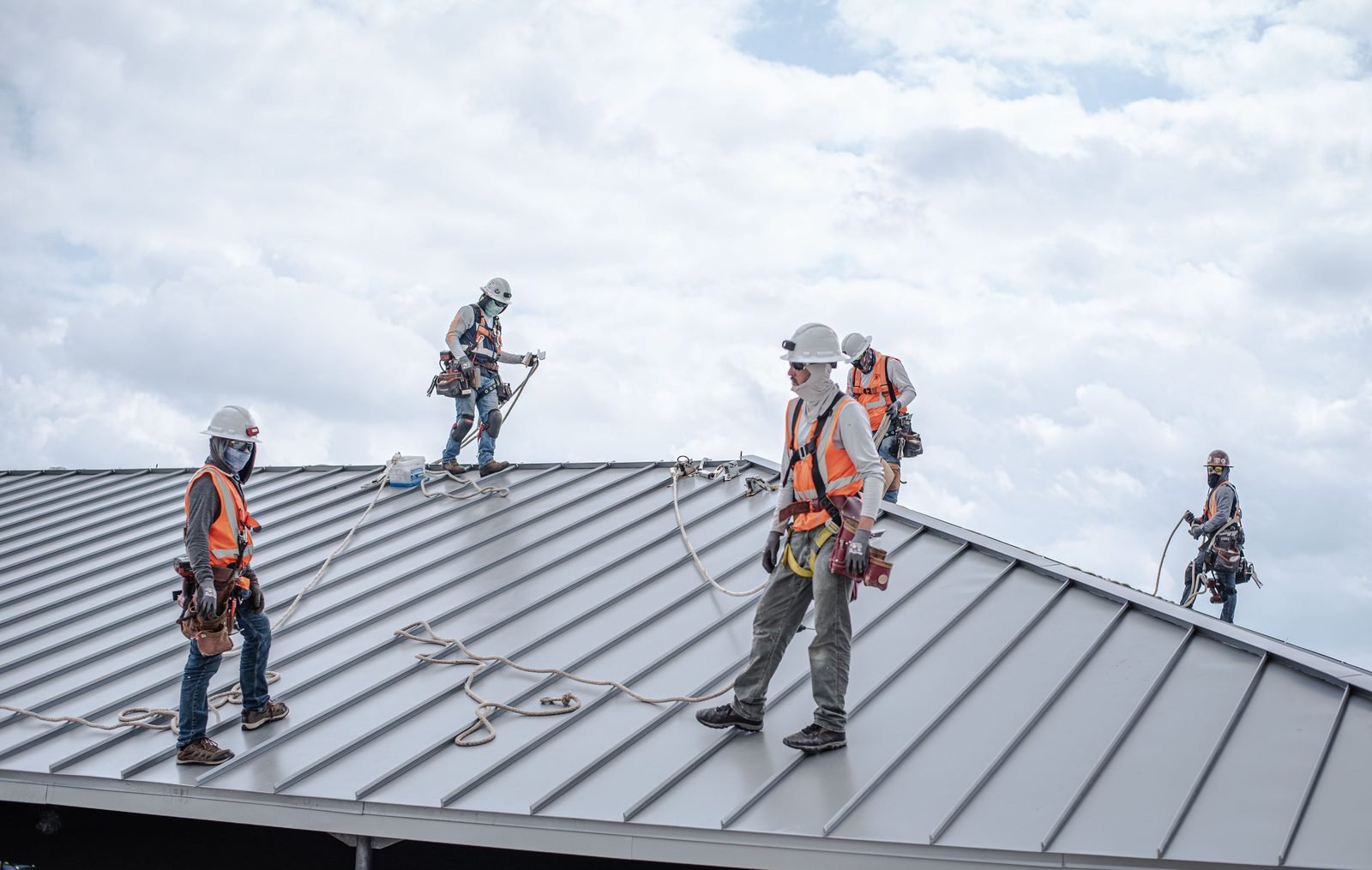
Licensed Local Law 11 Contractor in NYC
Code-compliant FISP facade inspections, safety reports, and emergency repairs to clear DOB violations across New York City.
Local Law 11 is not optional. Every building in New York City taller than six stories is legally required to undergo a Facade Inspection and Safety Program (FISP) inspection every five years-and any facade element found to be UNSAFE must be repaired and re-inspected before the DOB will accept a Safe final report. For building owners and managing agents who have received an UNSAFE or SWARMP designation, every day without a remediation contractor is a day of mounting liability, potential fines, and public safety risk.
MC Construction Consulting operates as a preferred Local Law 11 repair contractor across all five NYC boroughs. We mobilize rapidly on emergency UNSAFE designations, coordinate directly with your Qualified Exterior Wall Inspector (QEWI) of record, and deliver documented, DOB-compliant repairs that get your building to SAFE status on schedule.
- ✓ FISP CYCLE 9 & 10 EXPERIENCE
- ✓ UNSAFE EMERGENCY RESPONSE
- ✓ QEWI COORDINATION
- ✓ ALL 5 NYC BOROUGHS
New York City Facade Inspection Law: what is Local Law 11 NYC and who does it apply to?
Local Law 11 NYC-officially the Facade Inspection and Safety Program (FISP)-requires every building in New York City that is taller than six stories to have its exterior walls and appurtenances inspected by a Qualified Exterior Wall Inspector (QEWI) every five years, with a written report filed with the NYC Department of Buildings. The law was enacted in response to the 1979 death of a Barnard College student who was struck by facade debris falling from a Manhattan apartment building, and it has been progressively strengthened through amendments and enforcement cycles ever since.
Under the current FISP framework (Cycle 10 began February 21, 2025), the QEWI inspects every accessible exterior wall surface and files a technical report classifying the building’s facade condition into one of three categories. The classification determines the urgency and scope of required remediation work, and ultimately whether the building’s DOB records show a SAFE status-a prerequisite for numerous certificate of occupancy and refinancing transactions.
The law applies to all buildings over six stories in all five New York City boroughs: Manhattan, Brooklyn, Queens, the Bronx, and Staten Island. There are approximately 14,000 buildings subject to FISP requirements citywide, and the DOB enforces mandatory filing deadlines by sub-block-and-lot number within each five-year cycle. Missing the filing deadline triggers automatic civil penalties in addition to any penalties related to the physical condition of the facade.
Building owners and managing agents frequently underestimate the lead time required to move from QEWI inspection to SAFE final report. The inspection itself typically identifies repair items that must be completed before the QEWI can file a SAFE report, and securing a qualified local law 11 contractor to execute those repairs on a timeline compatible with the filing deadline requires advance planning-particularly during the peak FISP season when experienced contractors are heavily committed.
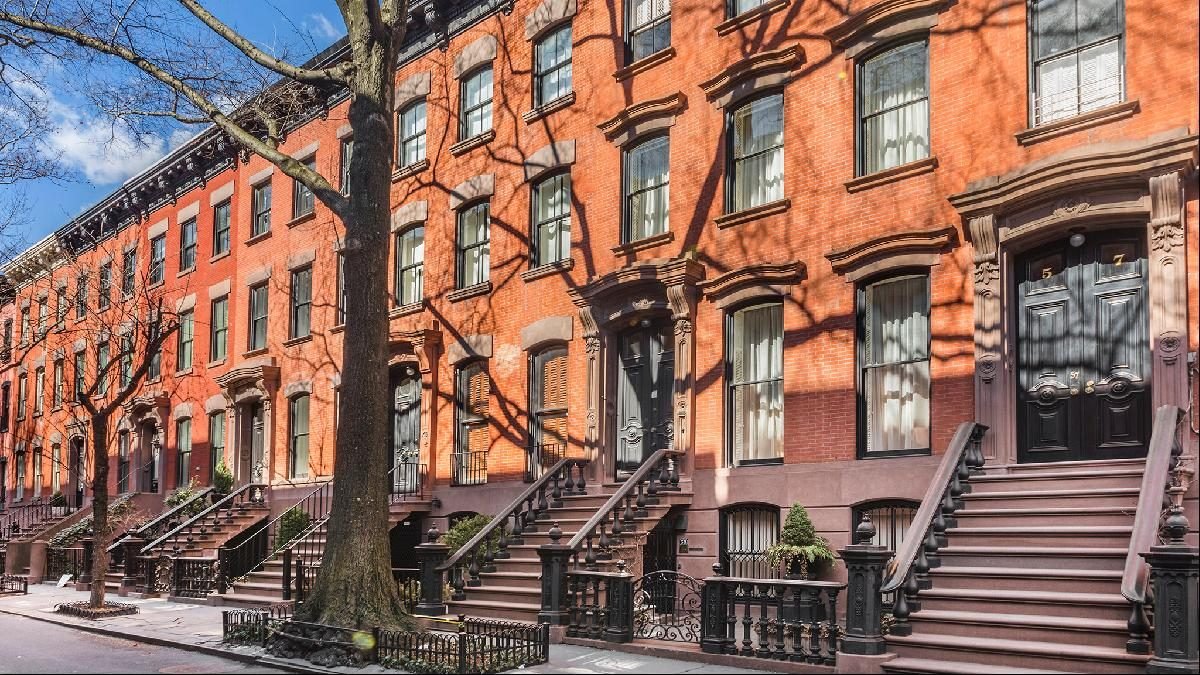
The Three FISP Facade Classifications Explained

Facade elements pose an immediate danger to public safety. The DOB requires immediate protective measures (netting, shed, or sidewalk closure) and mandates repair completion within 30 days of the QEWI report. Failure to comply triggers escalating daily fines and potential criminal liability for the owner.

Safe With A Repair and Maintenance Program: facade is not immediately dangerous but has conditions that will become unsafe within the five-year inspection cycle if not repaired. All SWARMP items must be repaired before the next FISP filing. Ignoring SWARMP conditions typically results in an UNSAFE designation at the next inspection.

All exterior wall elements are in sound condition with no deterioration that poses a safety risk. The DOB accepts the QEWI’s SAFE filing and closes the inspection cycle for the building. SAFE status is required for many mortgage refinancing transactions and certain DOB permit applications.
How does MC Construction clear FISP facade repairs in NYC and restore SAFE status?
MC Construction restores SAFE status through a structured FISP repair program that begins within 24 to 72 hours of engagement on UNSAFE designations-starting with emergency protective measures and immediately transitioning to permanent facade repairs that satisfy the QEWI’s technical specifications. Our process is designed around the FISP reporting framework: every repair we perform is documented in the format required by the QEWI for their DOB submission, eliminating the back-and-forth between contractor and inspector that delays final filing on most FISP projects.
For UNSAFE designations, the immediate priority is public protection: installing DOB-compliant sidewalk sheds, protective netting, or cantilevered pipe scaffolding to isolate the hazard from the public right-of-way. MC Construction carries the equipment, permits, and trained personnel to install these protective systems on an emergency basis, satisfying the DOB’s 30-day remediation clock from day one.
Permanent FISP repairs typically include: mortar joint repointing across areas of joint failure identified in the QEWI report; lintel and sill replacement where structural stone or cast iron elements have failed; brick replacement in spalled or displaced sections of the wall; parapet rebuilding where the parapet wall has tilted or de-laminated from its backup; and waterproofing of all repaired surfaces to prevent re-infiltration of moisture. For sidewalk violations that accompany facade FISP reports, our NYC concrete sidewalk repair team coordinates the sidewalk scope under the same project contract.
Our facade restoration Manhattan expertise is directly applicable to Local Law 11 repair scopes: the same diagnostic methodology, the same mortar matching process, and the same LPC compliance capability are deployed on every FISP project in a designated historic district-a combination of skills that most FISP contractors do not possess.
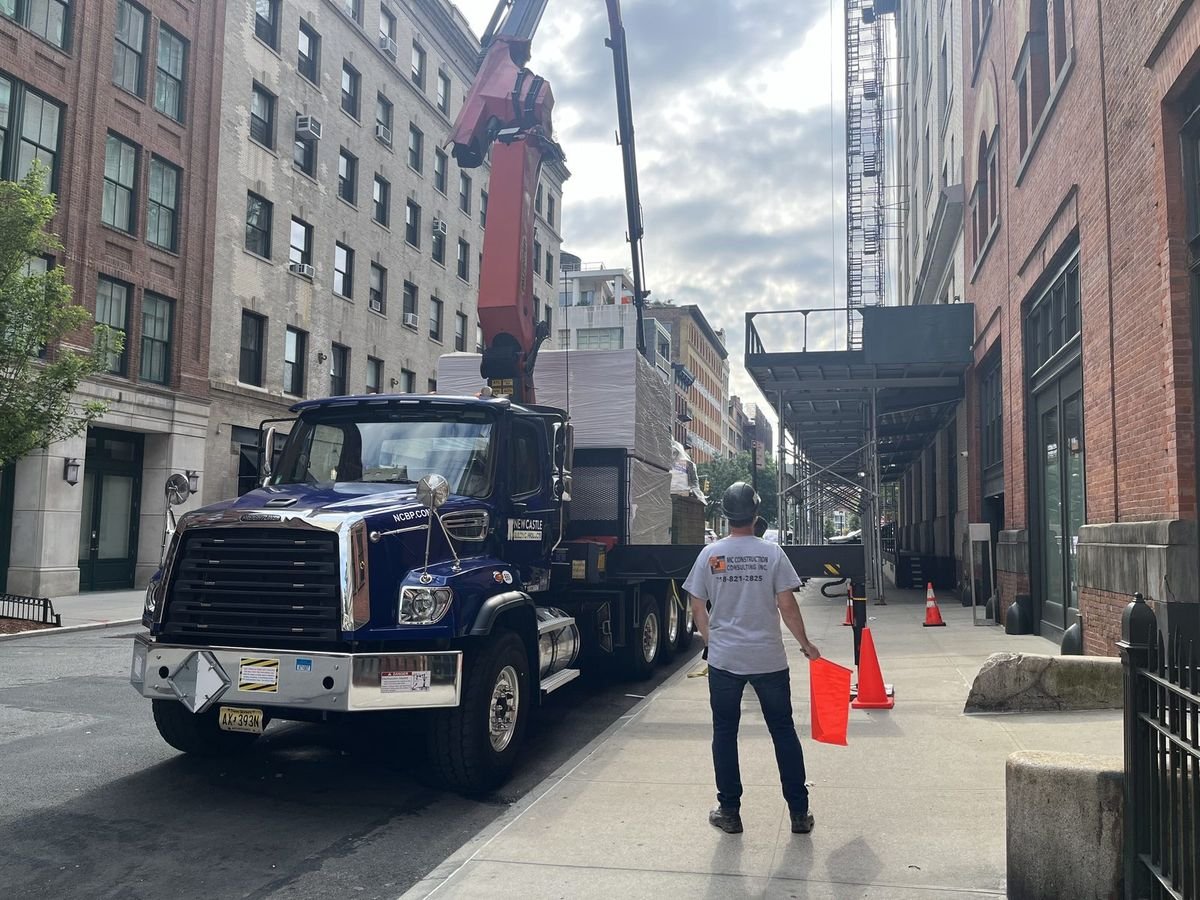
MC Construction’s FISP Repair Process

On UNSAFE designations, we deploy sidewalk shed or netting within 24–72 hours, halting the DOB’s enforcement clock and protecting the public immediately.

We review the QEWI’s technical report item by item and develop a repair scope that addresses every flagged condition in the format required for the final SAFE filing.

We obtain all required DOB alteration permits, DOT sidewalk and lane closure permits, and LPC approvals for historic district buildings before mobilizing permanent repair crews.

Permanent repairs executed to the QEWI’s specifications: repointing, brick and lintel replacement, parapet rebuilding, waterproofing, and stone consolidation as required.

We deliver a complete repair documentation package-photo logs, material certifications, and field reports-formatted for the QEWI’s DOB submission and final SAFE filing.
What makes MC Construction the right NYC facade inspection compliance Local Law 11 repair partner?
MC Construction is specifically structured for FISP repair work because we combine field execution capability-crews, equipment, and materials on standby for rapid mobilization-with the administrative infrastructure required to manage the permit, inspection, and documentation cycle that FISP compliance demands. Most facade contractors can perform masonry repairs. Very few can simultaneously manage emergency DOB protective measure installation, active DOT permits, LPC coordination for historic buildings, and QEWI documentation simultaneously under a single project contract.
Local Law 11 NYC – Common Questions from Building Owners
What is New York local law 11 and when did it first apply to my building?
New York Local Law 11 of 1998 amended Local Law 10 of 1980 to expand mandatory facade inspection requirements to all exterior wall surfaces-not just street-facing facades-and increased inspection frequency from every five years to a rolling five-year cycle tied to a building’s sub-block and lot number. If your building is more than six stories tall and located anywhere in the five NYC boroughs, it has been subject to FISP requirements since the law took effect and must file inspection reports on the DOB’s mandated schedule.
The current inspection cycle is Cycle 10, which covers the period from February 21, 2025 through February 20, 2030. Buildings are assigned specific filing sub-cycles within the five-year window based on their sub-block and lot numbers. The DOB publishes the filing schedule on its website, and failure to file by the deadline triggers a $1,000 civil penalty for the first year, increasing to $5,000 for subsequent years of non-compliance.
What happens if my building receives an UNSAFE designation under local 11 law NYC?
An UNSAFE designation under Local Law 11 in NYC requires the building owner to immediately install public protection measures—typically a sidewalk shed, safety netting, or scaffolding—and complete all required permanent repairs within 30 days of the QEWI’s report date. If the QEWI files the UNSAFE designation directly with the DOB (as they are required to do for any immediately hazardous condition), the DOB issues an official notice of violation and begins accruing daily penalties for non-compliance.
Beyond the financial penalties, the liability implications of an unresolved UNSAFE designation are severe: if a member of the public is injured by a facade element that was designated UNSAFE and not repaired, the building owner faces potential personal liability in addition to the corporate liability of the ownership entity. MC Construction recommends treating any UNSAFE designation as a 24-hour emergency, not a project to be scheduled in the coming weeks.
What is the difference between FISP Cycle 9 and Cycle 10, and does it affect my repair requirements?
FISP Cycle 9 covered the period from February 21, 2020 through February 20, 2025, and Cycle 10 began February 21, 2025—the transition between cycles does not reset a building’s outstanding UNSAFE or SWARMP conditions, meaning that buildings with unresolved repair items from Cycle 9 carry those obligations forward into Cycle 10. Buildings that received a SWARMP designation in Cycle 9 without completing the specified repairs will be inspected by their QEWI in Cycle 10 with those items still outstanding, and will typically receive an UNSAFE designation if the conditions have progressed as expected.
Cycle 10 also introduced updated FISP technical rules that expand the scope of required inspection to include additional appurtenance types, including window air conditioner brackets, flagpole supports, and satellite dish anchors. Building owners who passed Cycle 9 with a SAFE designation should confirm with their QEWI whether any of these newly-covered elements require inspection before scheduling their Cycle 10 filing.
How much does Local Law 11 facade repair cost for a typical NYC apartment building?
Local Law 11 facade repair costs for a typical NYC apartment building range from $25,000 to $150,000 for targeted repairs on a building with a limited number of UNSAFE or SWARMP items, and from $200,000 to over $1 million for comprehensive FISP repair programs on large pre-war buildings with widespread mortar joint failure, multiple structural lintel replacements, and parapet rebuilding requirements.
The most significant cost driver is the ratio of full replacement work to repointing: replacing structurally failed lintels, rebuilding deteriorated parapets, and replacing spalled brick sections all cost substantially more per square foot than repointing open mortar joints. The scaffold system is often the second-largest cost on taller buildings: a full perimeter pipe scaffold on a 15-story Manhattan building can cost $80,000 to $150,000 for installation and monthly rental, before any repair work begins. MC Construction provides detailed line-item estimates following QEWI report review and an on-site preconstruction walk.
How long does it take to clear an UNSAFE designation and achieve SAFE status?
Clearing an UNSAFE designation and achieving SAFE status typically takes 6 to 16 weeks from engagement of a contractor to QEWI final report filing, depending on the volume of repair work required and the permitting lead time for the specific building and borough. The 30-day DOB deadline applies to completion of repairs, not to the QEWI’s final filing, which typically occurs 1 to 3 weeks after repairs are complete and the contractor has delivered the documentation package.
On projects where the UNSAFE items are limited in scope—for example, a single failed lintel with spalled brickwork above it—it is possible to complete permanent repairs within the 30-day DOB window if the contractor mobilizes immediately and permit approvals are obtained on an expedited basis. MC Construction maintains relationships with DOB permit expediters who can accelerate the permit review process for emergency FISP situations, and our permit managers prioritize UNSAFE projects over routine alteration permit applications.
Does MC Construction work directly with the QEWI or does the building owner need to manage that relationship?
MC Construction works directly with the building’s QEWI of record, relieving the building owner and managing agent of the technical coordination burden while keeping them informed at each major milestone. Our project managers review the QEWI’s inspection report before our first site visit, prepare repair scope proposals in the technical format the QEWI requires for their records, and submit our completed repair documentation package directly to the QEWI for review before they file the final DOB report.
For buildings that have not yet retained a QEWI for their Cycle 10 inspection, MC Construction can provide introductions to licensed QEWIs with whom we have established working relationships across all five NYC boroughs. Having a QEWI and a repair contractor who are familiar with each other’s documentation standards significantly reduces the time from inspection report to final SAFE filing—a practical advantage that building owners and managing agents appreciate when they are managing a portfolio of FISP-subject buildings simultaneously.

Every repair we perform is documented in the format required for FISP final filing: dated photographs before, during, and after each repair item; mortar analysis certificates; material test reports; and signed field observation logs tied to the QEWI’s report item numbers. No documentation gaps mean no filing delays.

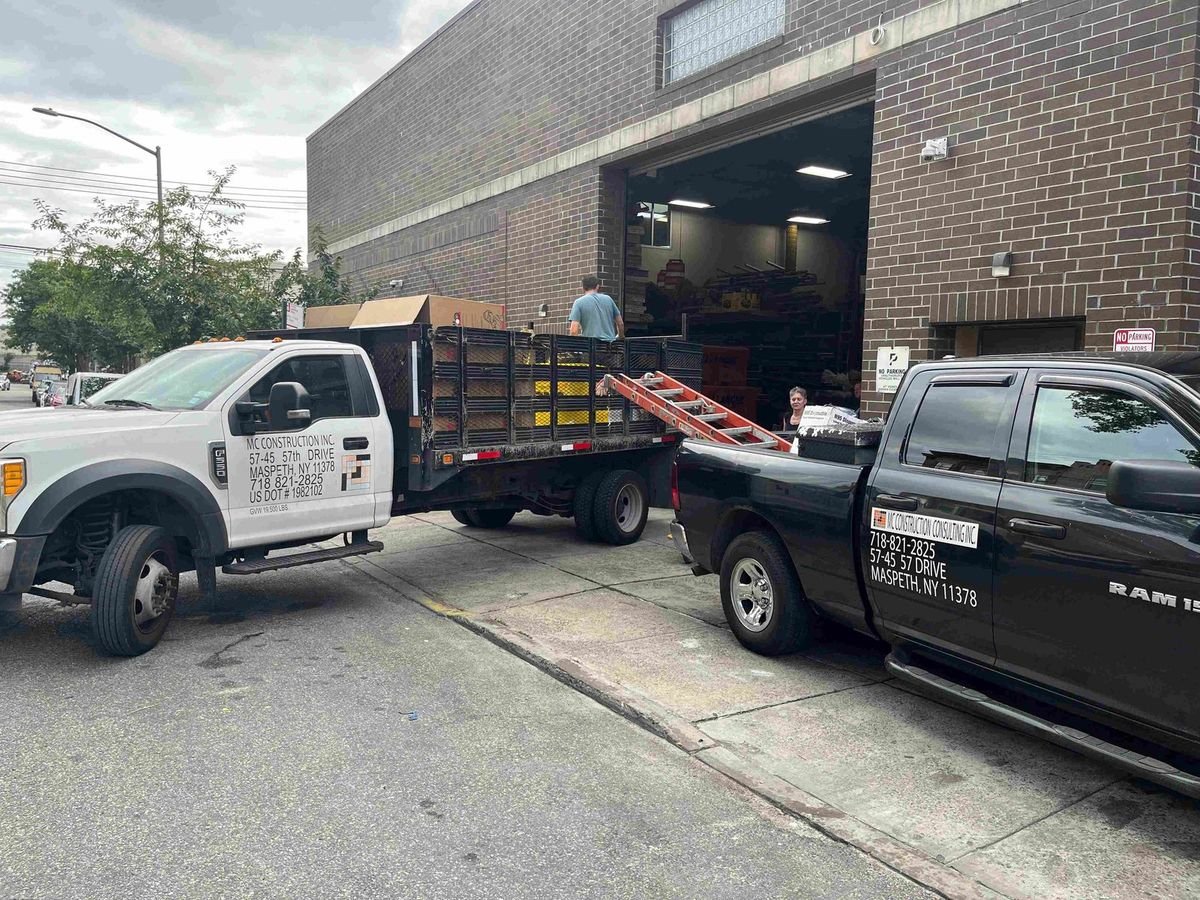
We maintain sidewalk shed inventory, netting systems, and scaffolding components at our Maspeth facility for same-day or next-day deployment on UNSAFE emergency designations anywhere in the five boroughs. Our emergency mobilization protocol has never missed a DOB 30-day remediation deadline.

FISP repairs on buildings in NYC historic districts require both DOB permits and LPC approvals. MC Construction has prepared and successfully filed combined DOB-LPC permit packages for FISP repairs in Greenwich Village, Carnegie Hill, Brooklyn Heights, Park Slope, and Jackson Heights historic districts.

Our general liability and worker’s compensation policies are rated for facade work at elevation on occupied NYC buildings. We name co-op boards, condo associations, and commercial property owners as additional insured as a standard contract provision on all FISP repair engagements.
What does New York Local Law 11 repair mobilization look like in practice?
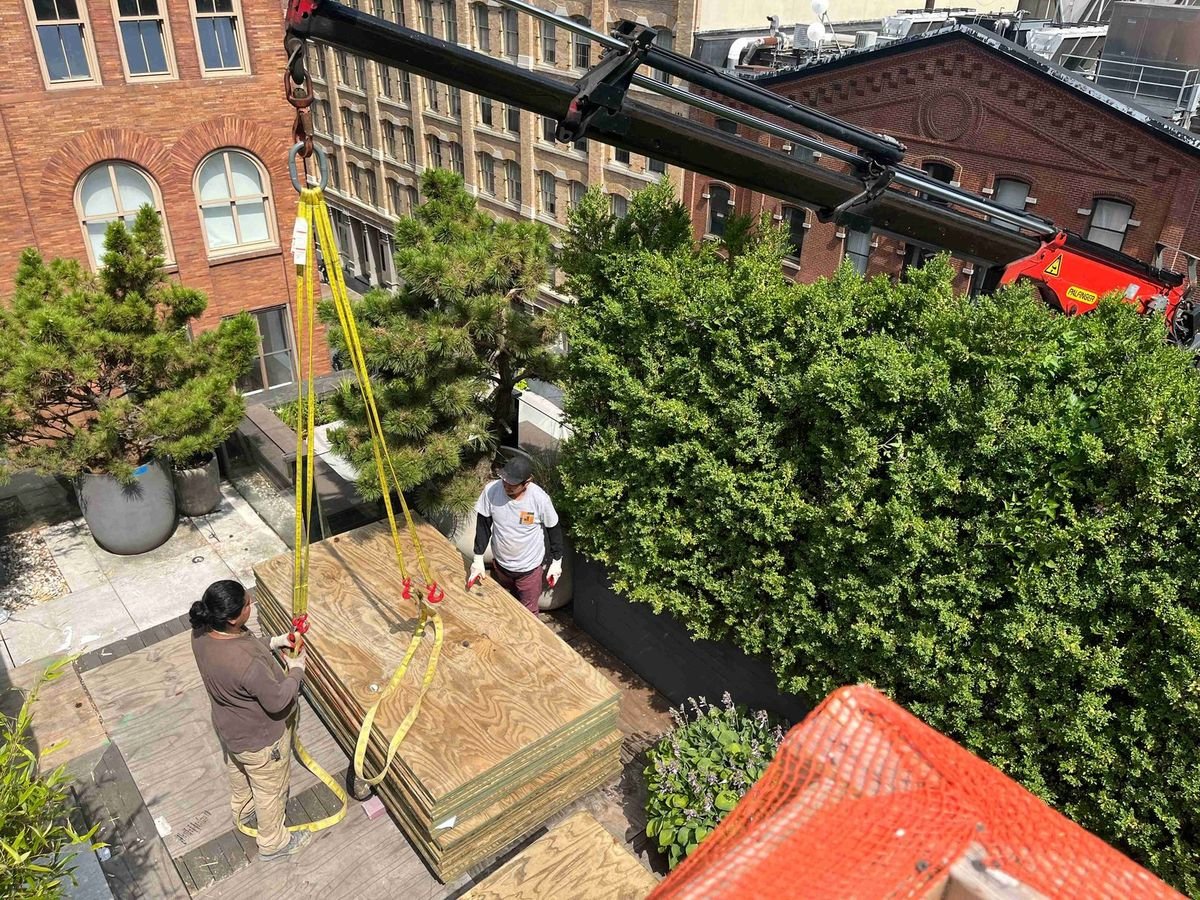
New York Local Law 11 repair mobilization requires coordinating material delivery, crane operations, and active facade work simultaneously on NYC streets-within the DOT permit windows, building access protocols, and noise restriction schedules that govern every occupied building in the city. The images below show MC Construction’s operations infrastructure: our Maspeth staging facility from which all FISP projects are managed, and an active crane-assisted material lift on a Manhattan facade repair project under a DOT permit.
Midtown Penthouse Terrace & Skylight Waterproofing
Which NYC boroughs does MC Construction serve for Local Law 11 and FISP repairs?
MC Construction provides Local Law 11 and FISP repair services across all five New York City boroughs: Manhattan, Brooklyn, Queens, the Bronx, and Staten Island. Our Maspeth, Queens facility is strategically positioned for rapid access to all borough locations: approximately 20 minutes to Midtown Manhattan, 15 minutes to downtown Brooklyn, and 25 minutes to the Bronx under normal traffic conditions. This positioning allows us to deploy emergency protective measures on UNSAFE designations citywide within the DOB’s required timeframes.
We have completed FISP repair projects on buildings across all five boroughs, including pre-war residential buildings in Manhattan’s historic districts, large-scale residential towers in the Bronx and Brooklyn, mixed-use commercial buildings in Queens, and institutional buildings in Staten Island. Our borough-wide experience encompasses all construction types subject to Local Law 11: masonry-bearing-wall construction, steel-frame curtain wall, concrete frame, and hybrid structural systems.

Clear Your UNSAFE Designation. Restore SAFE Status.
Whether you’ve just received an UNSAFE report or you’re planning ahead for a SWARMP remediation, our FISP repair team is ready. Contact us today for a rapid on-site assessment and repair scope proposal.
57-45 57th Drive, Maspeth, NY 11378 · 718 821-2825 · mcconstr@yahoo.com